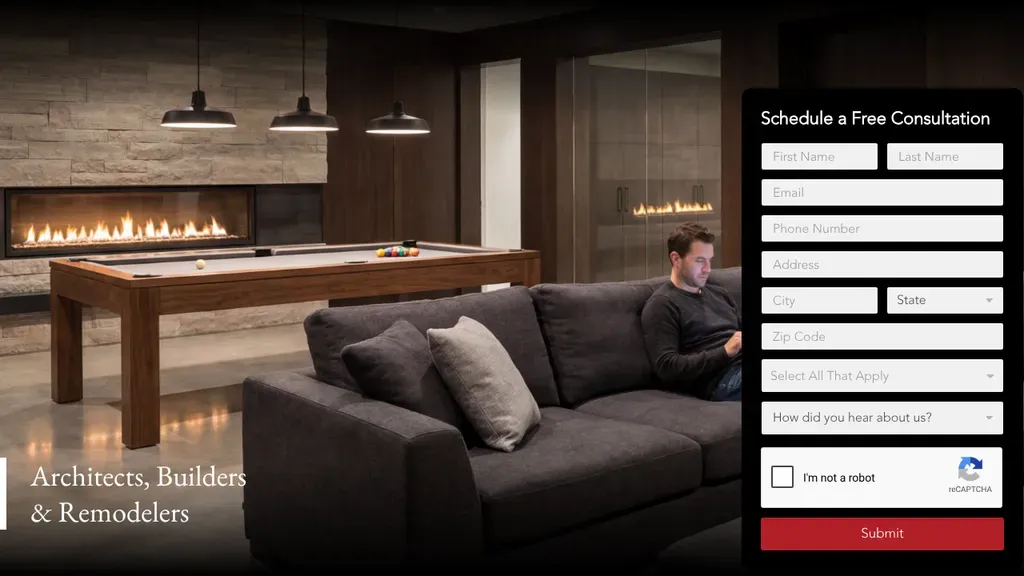
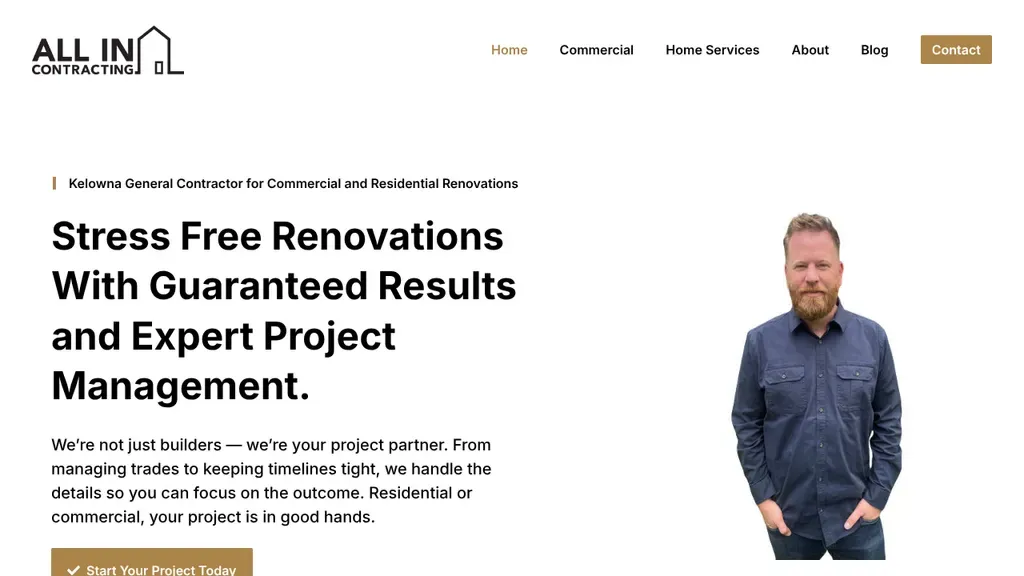
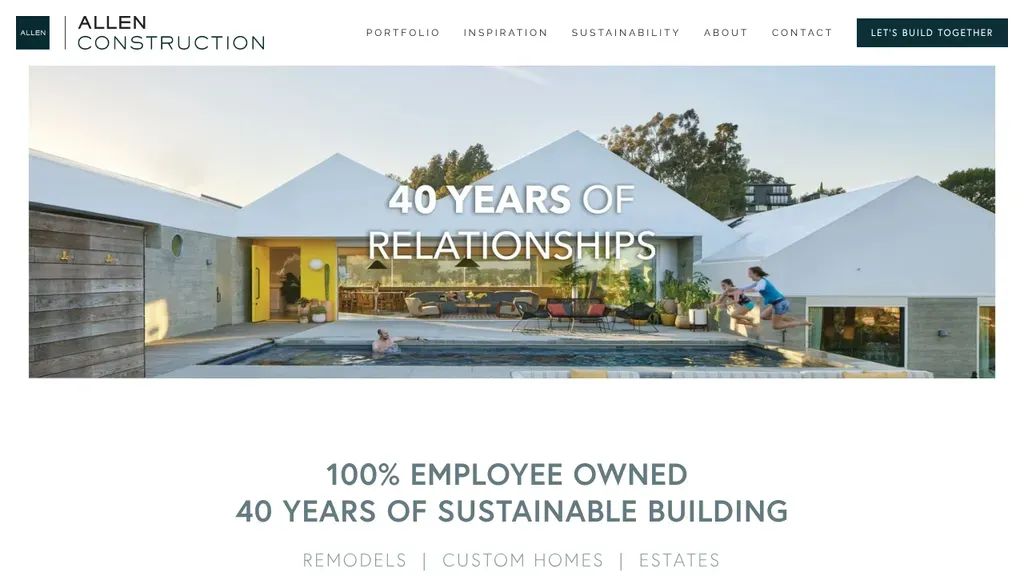
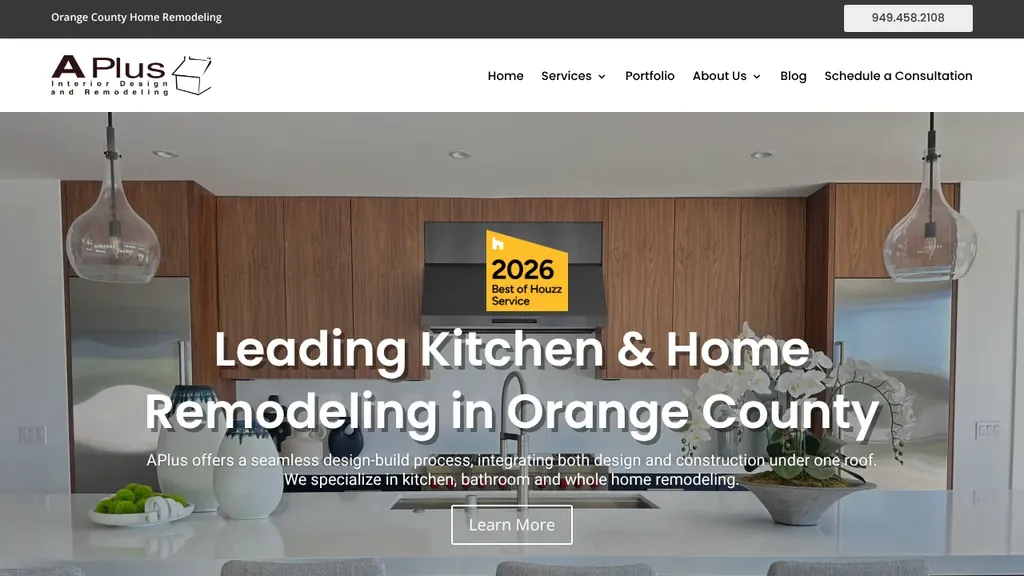
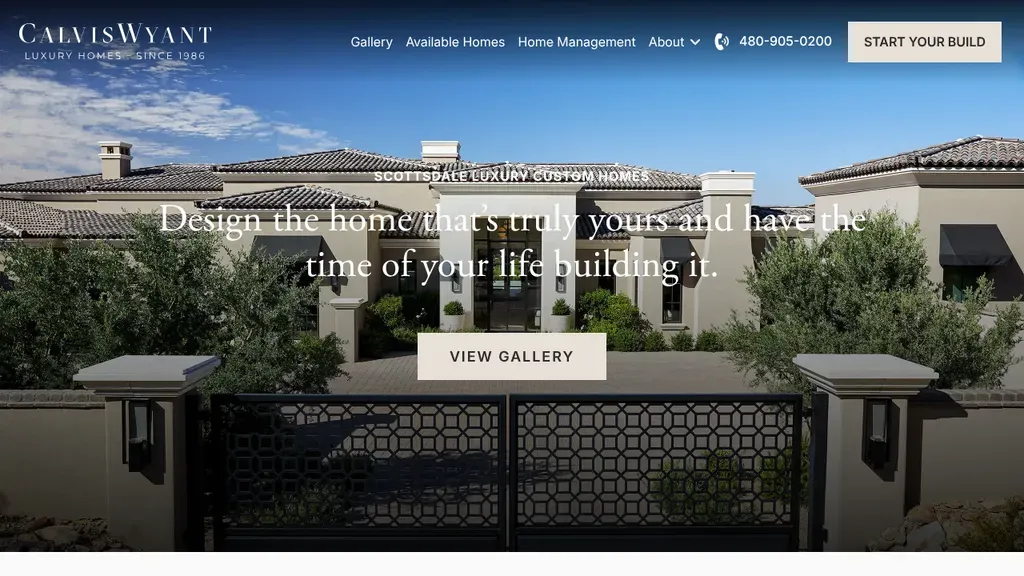
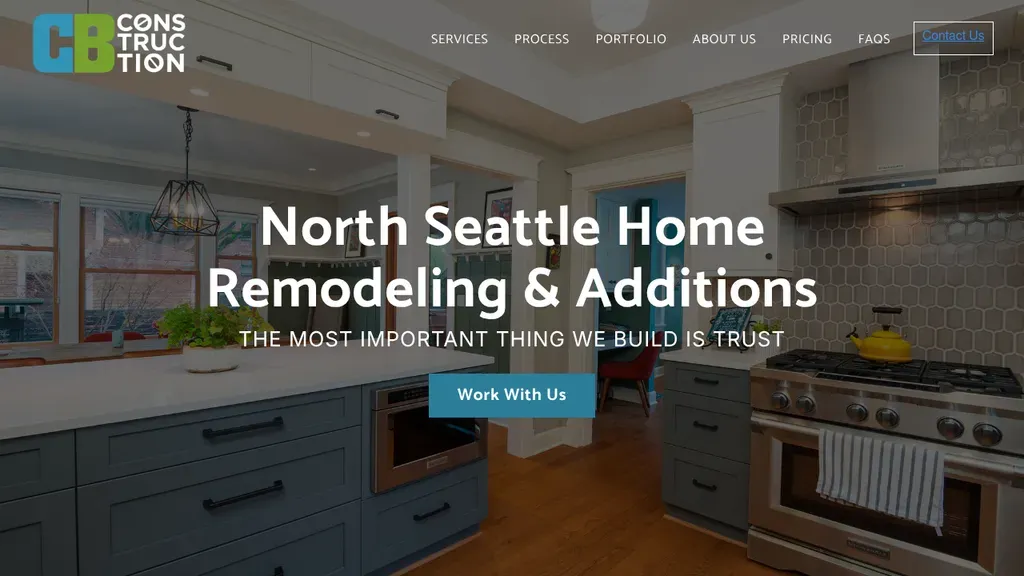
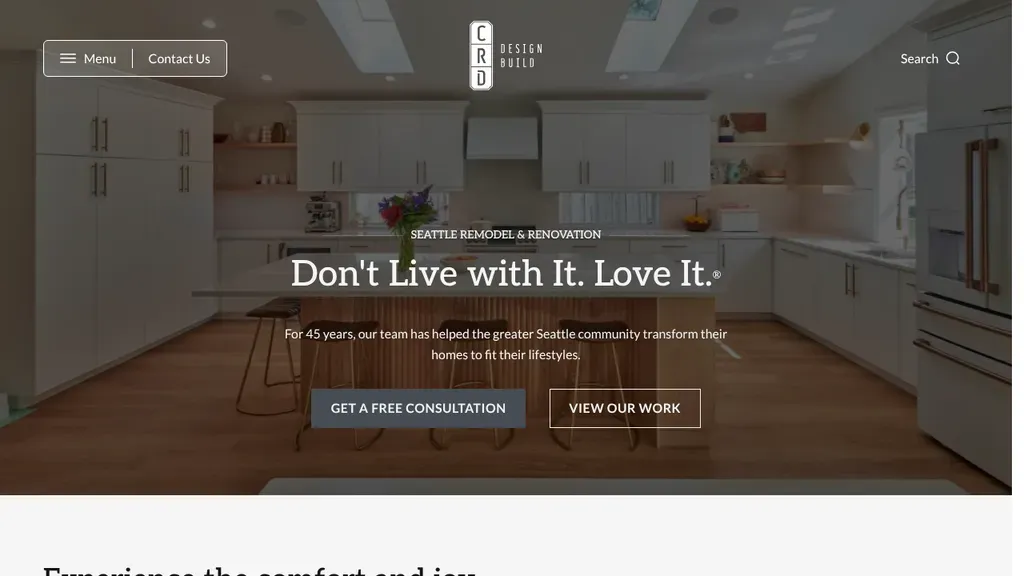
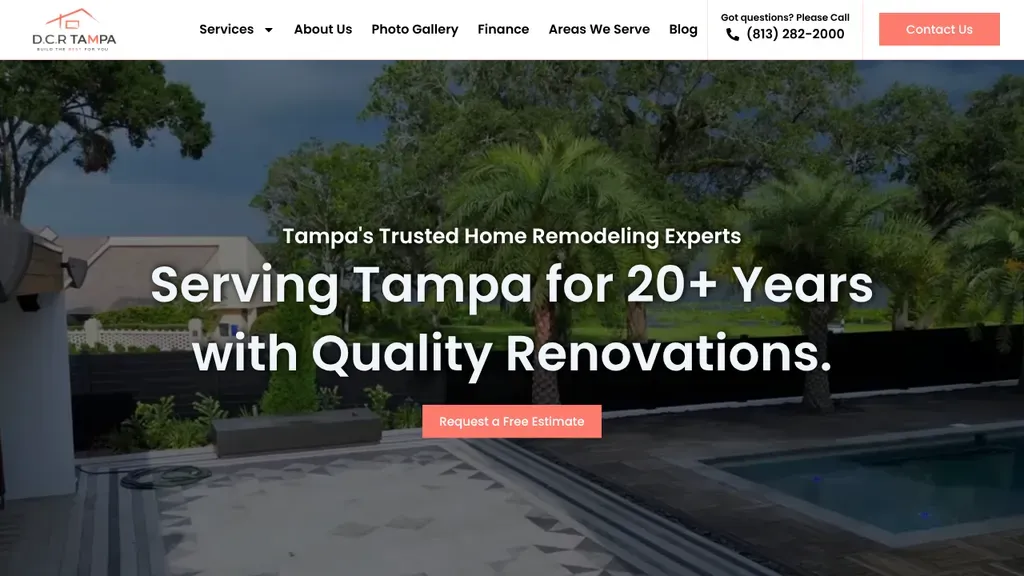
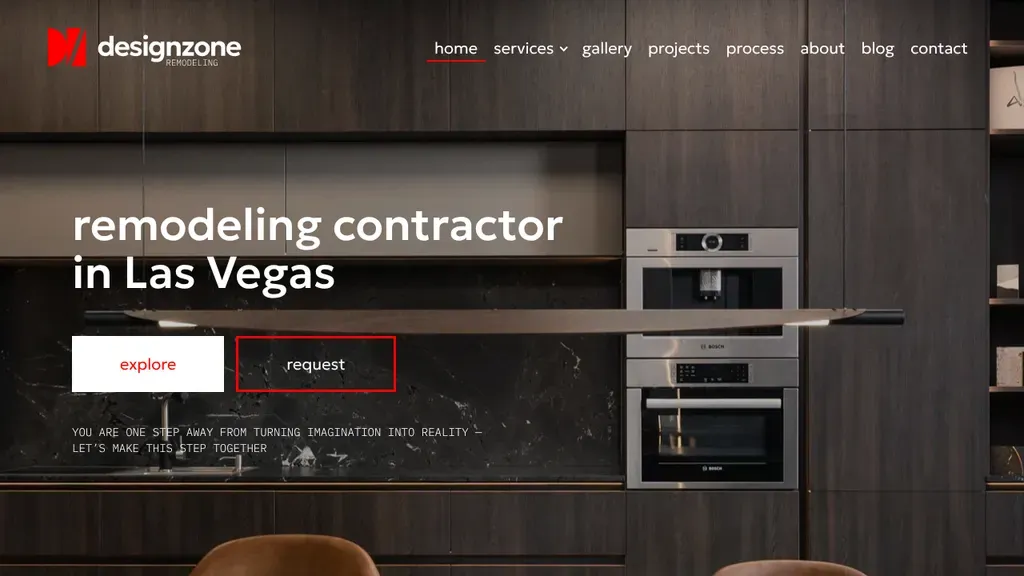
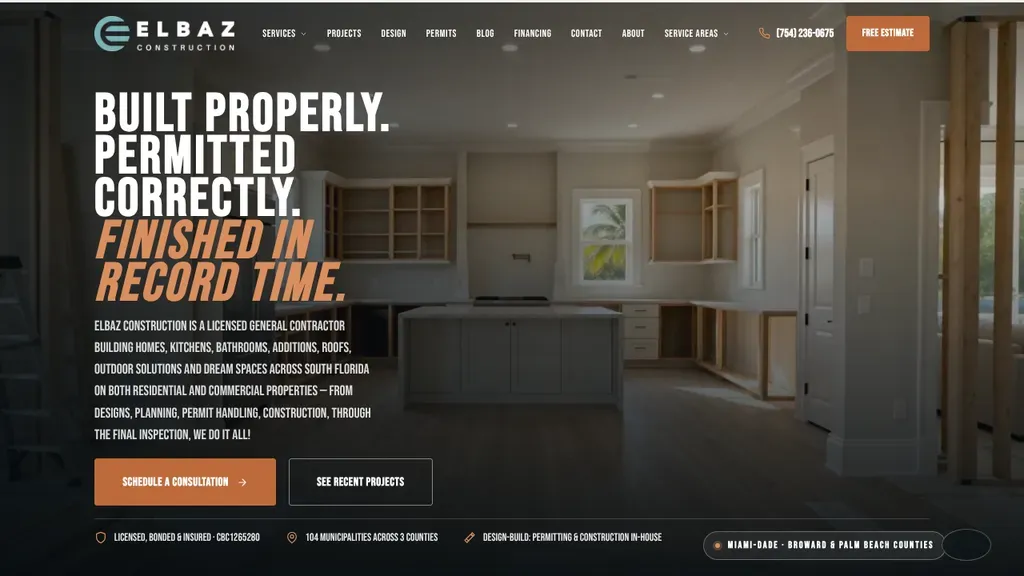
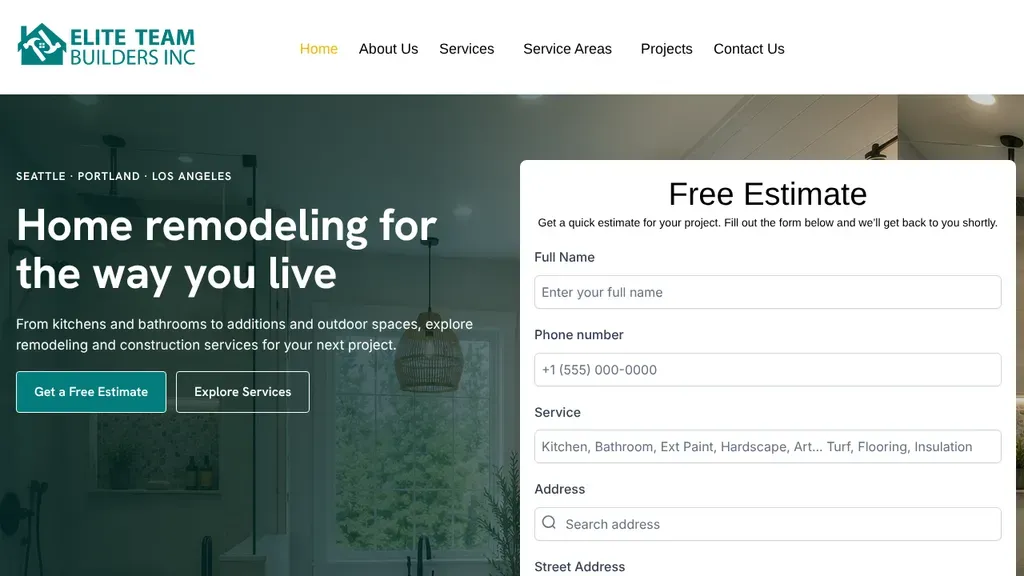
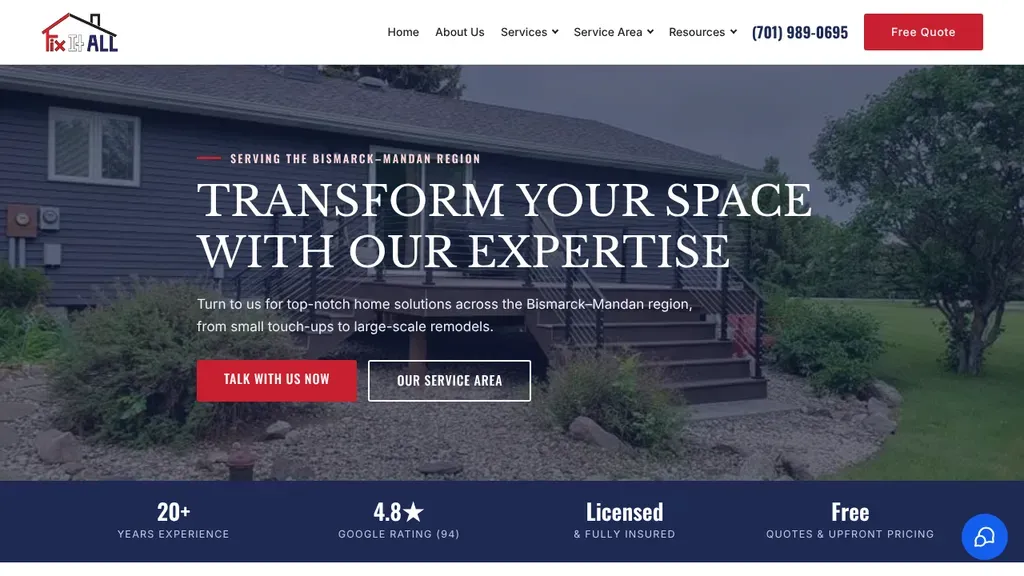
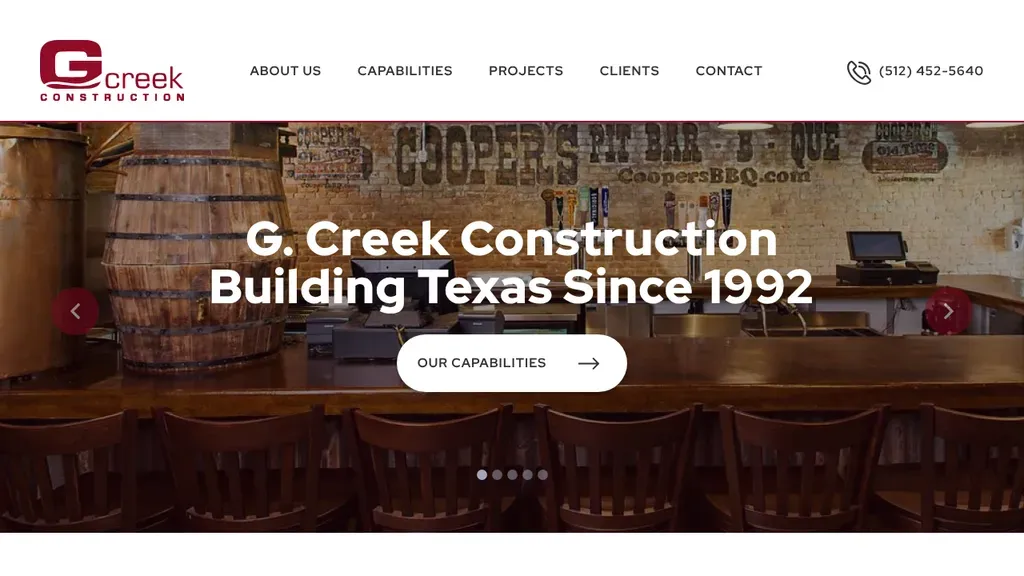
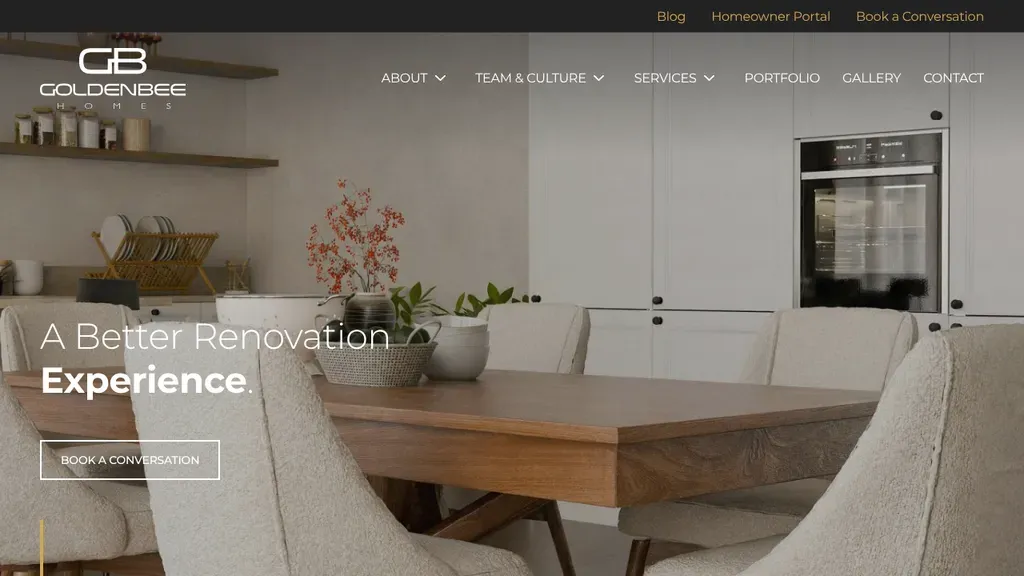
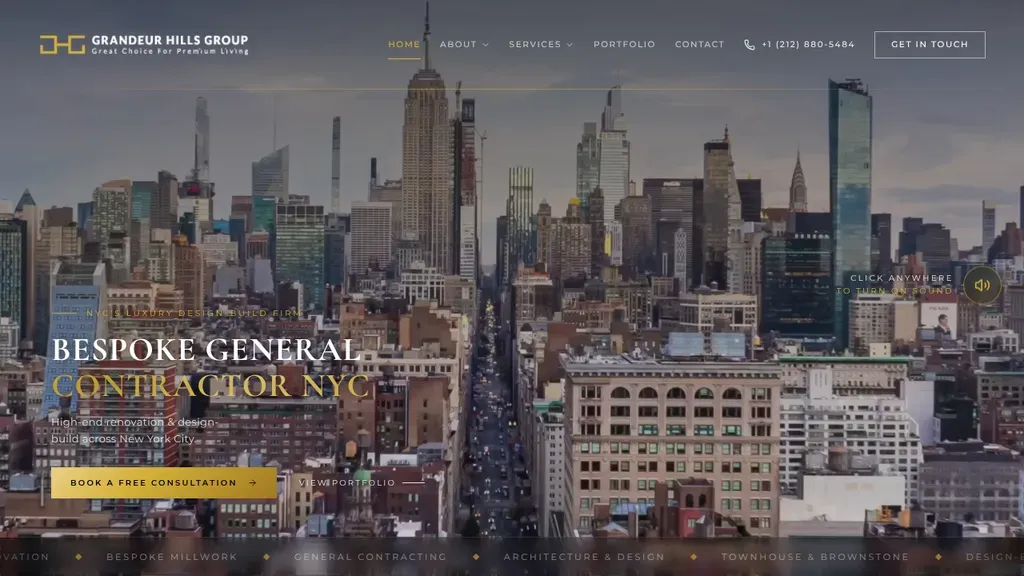
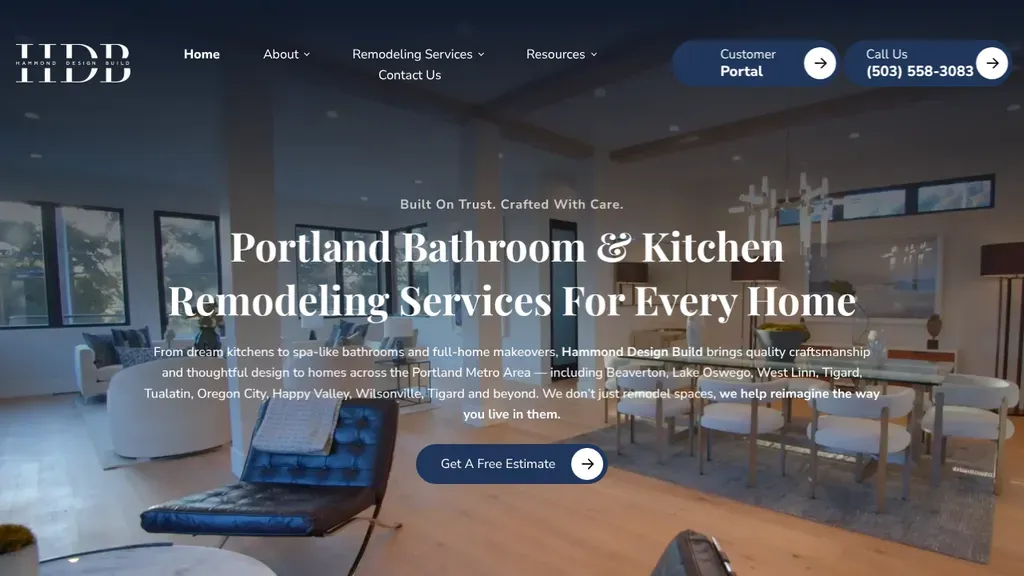
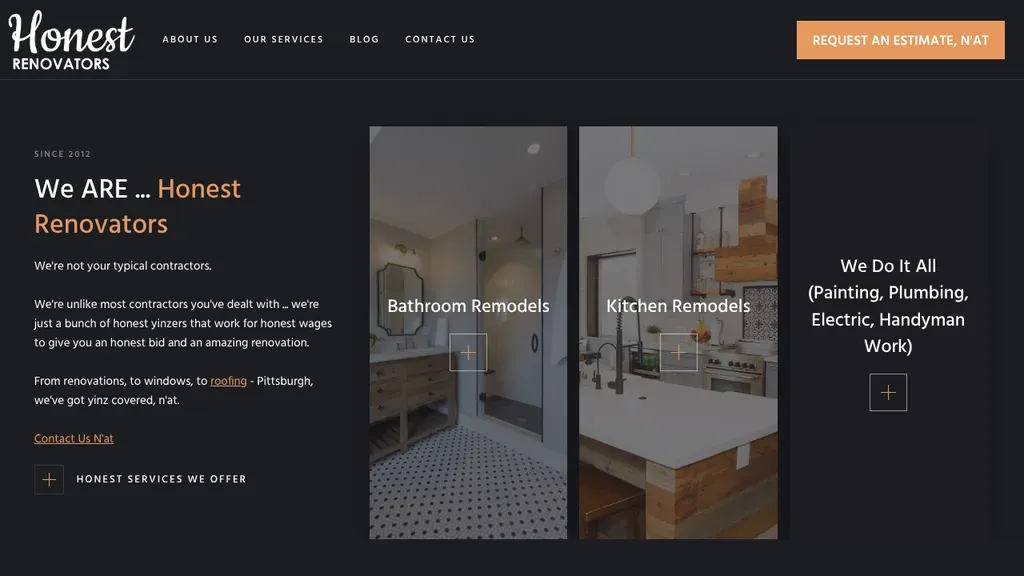
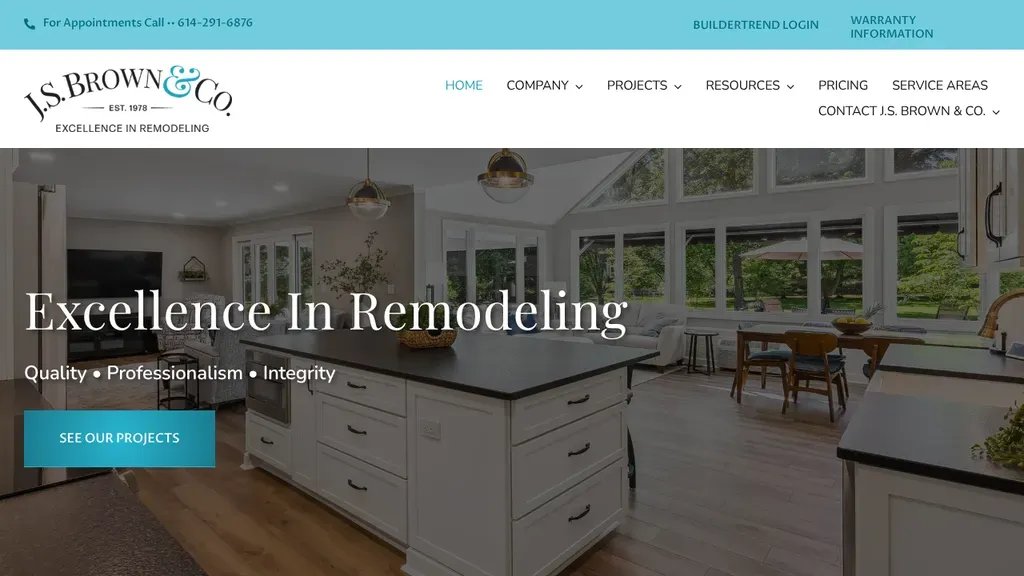
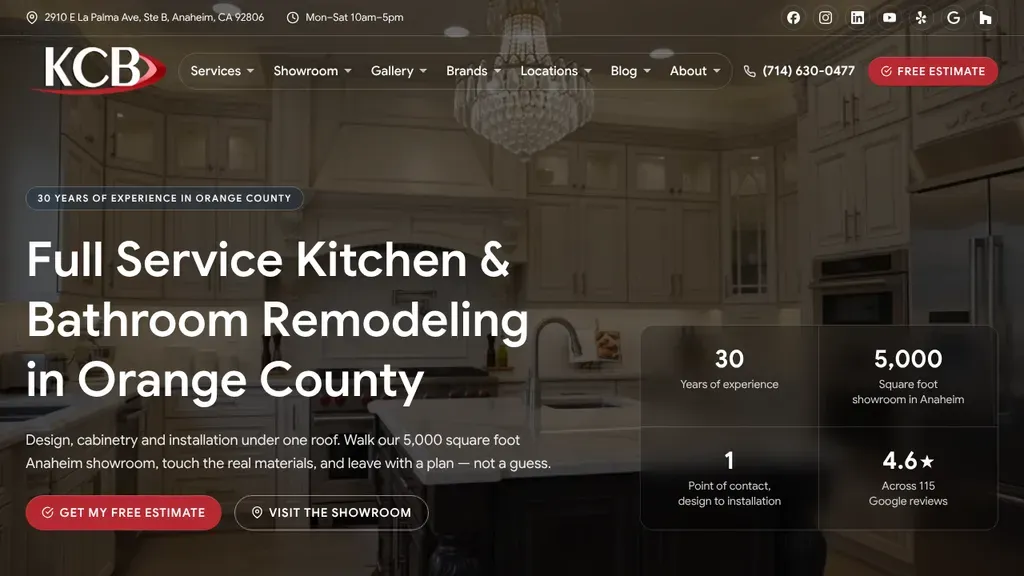
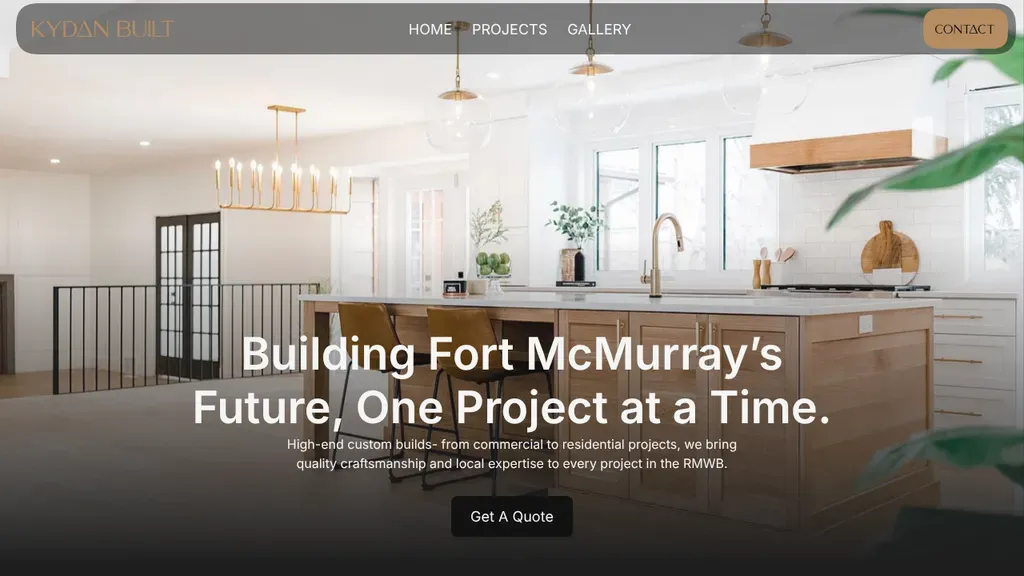
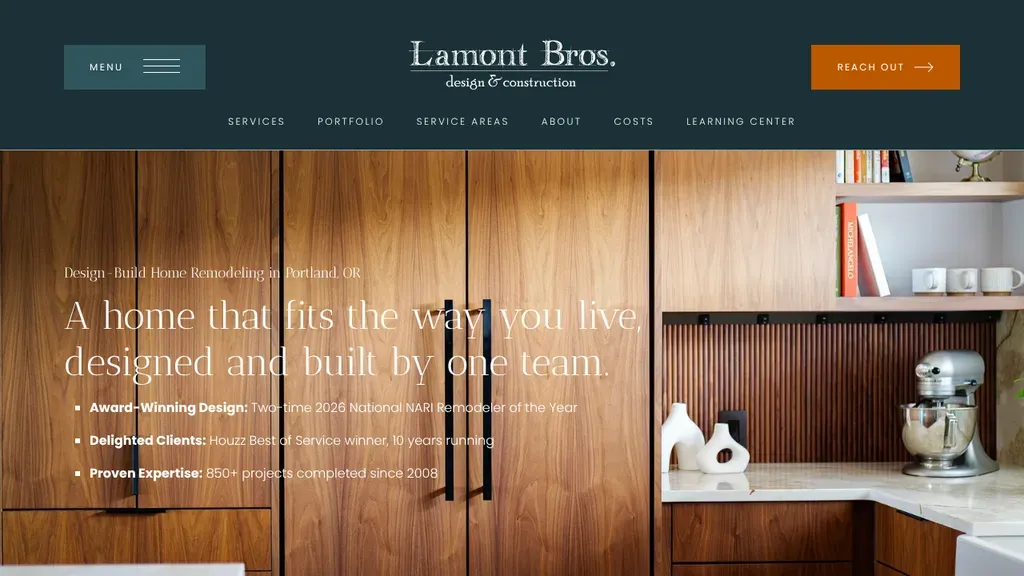
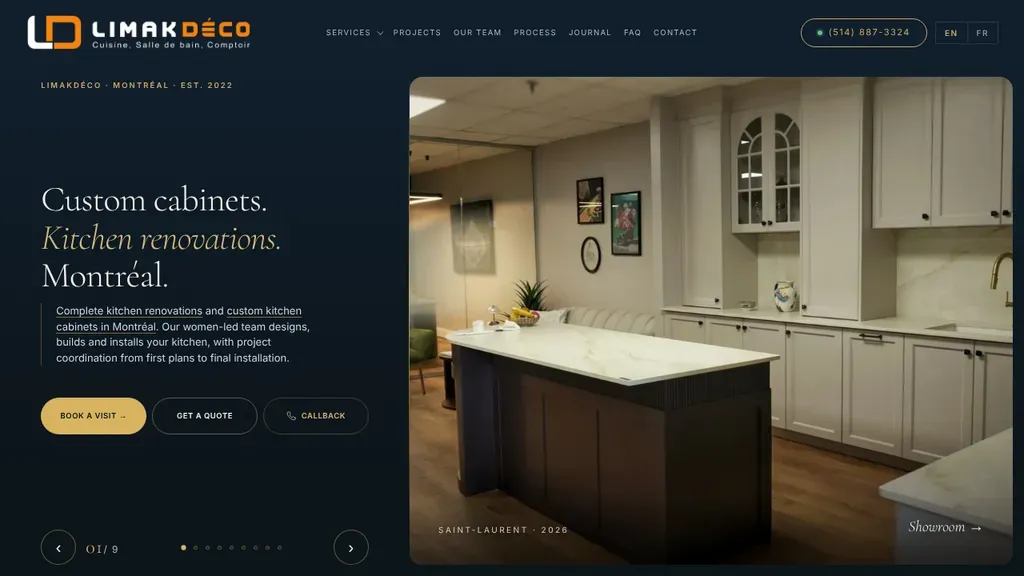
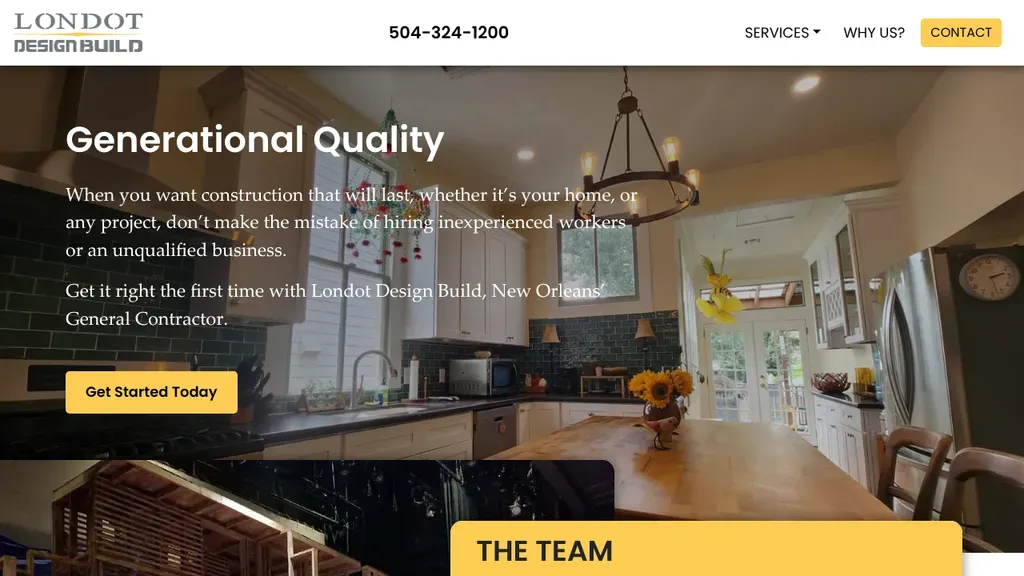
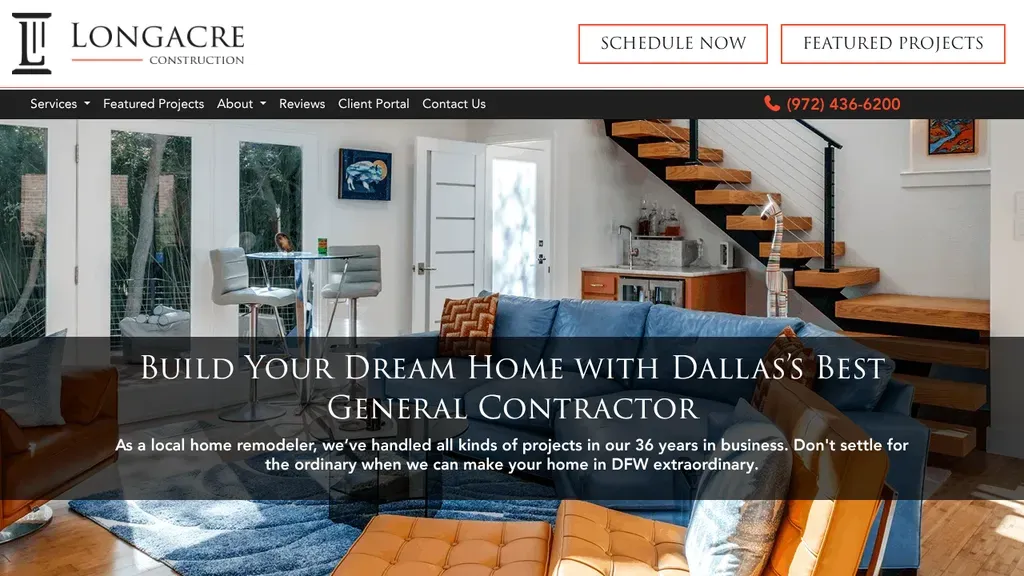
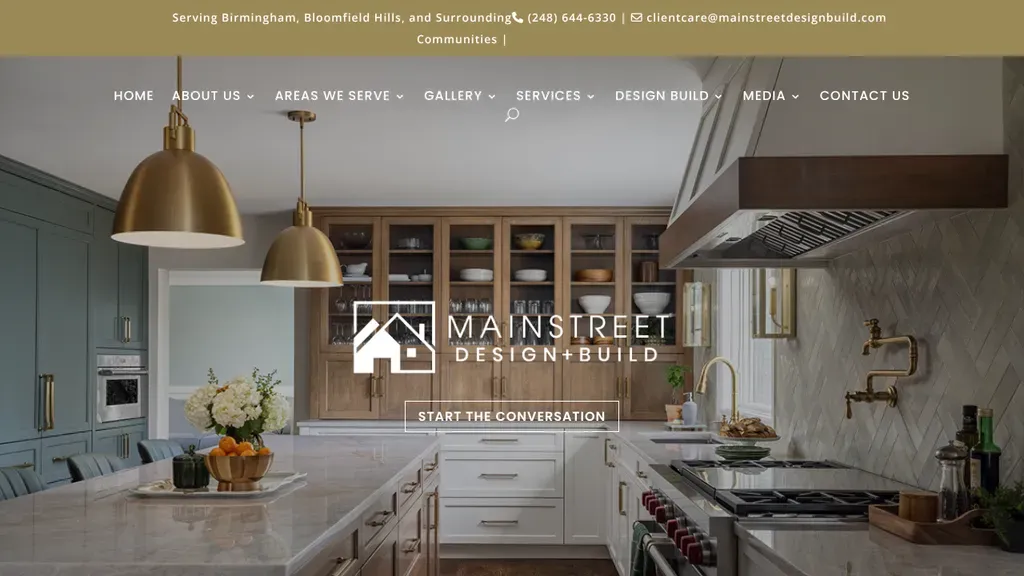
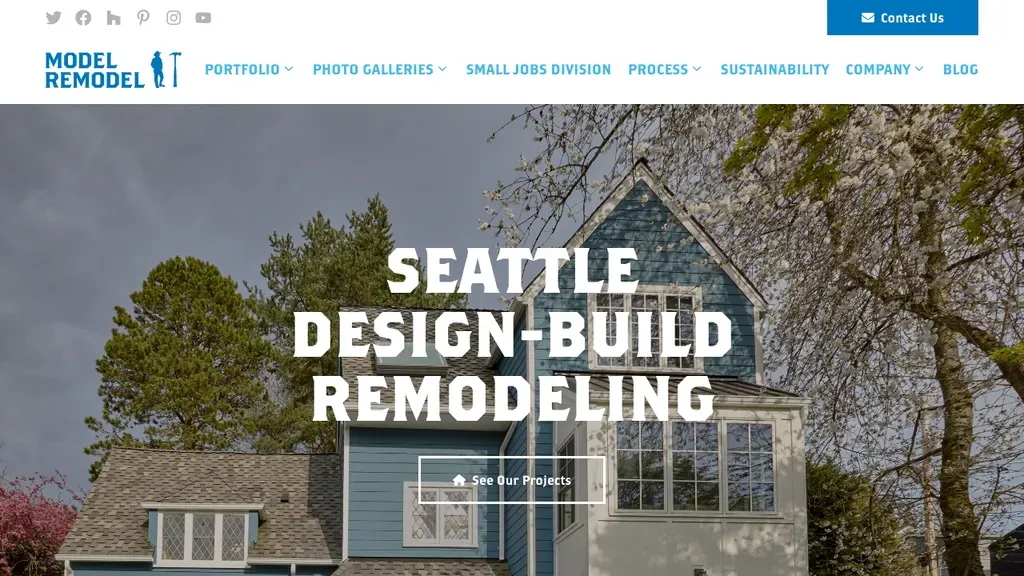
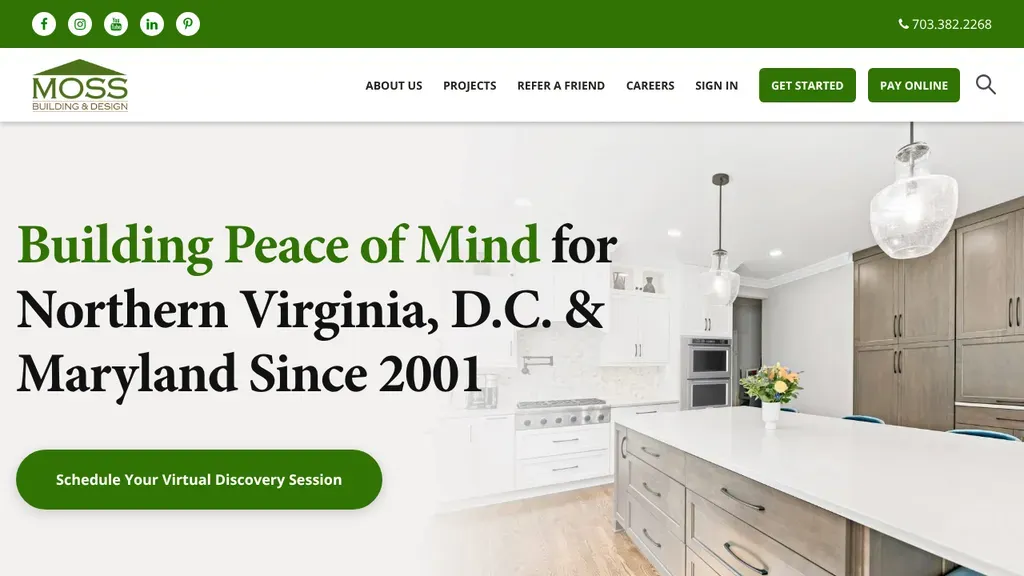
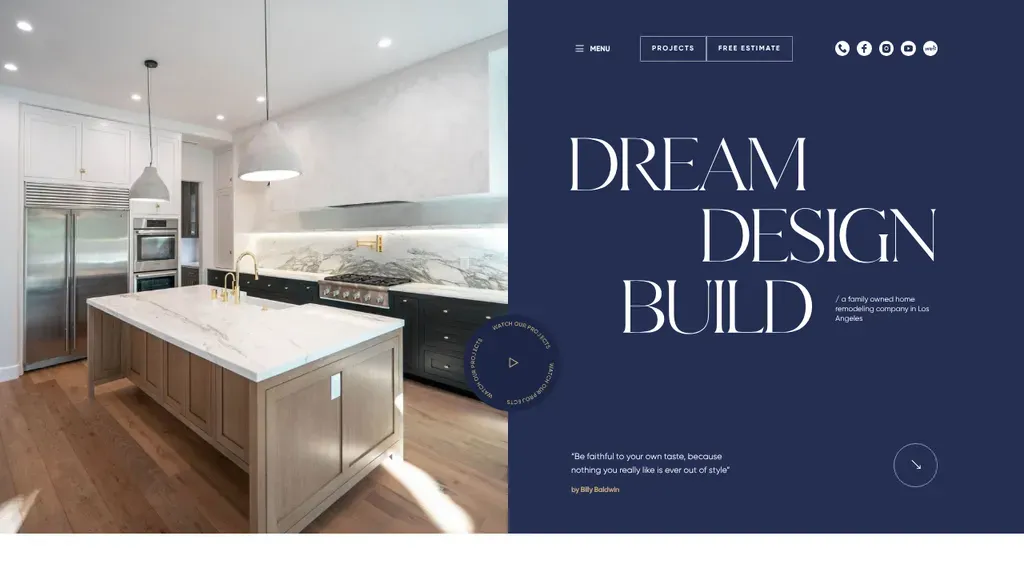
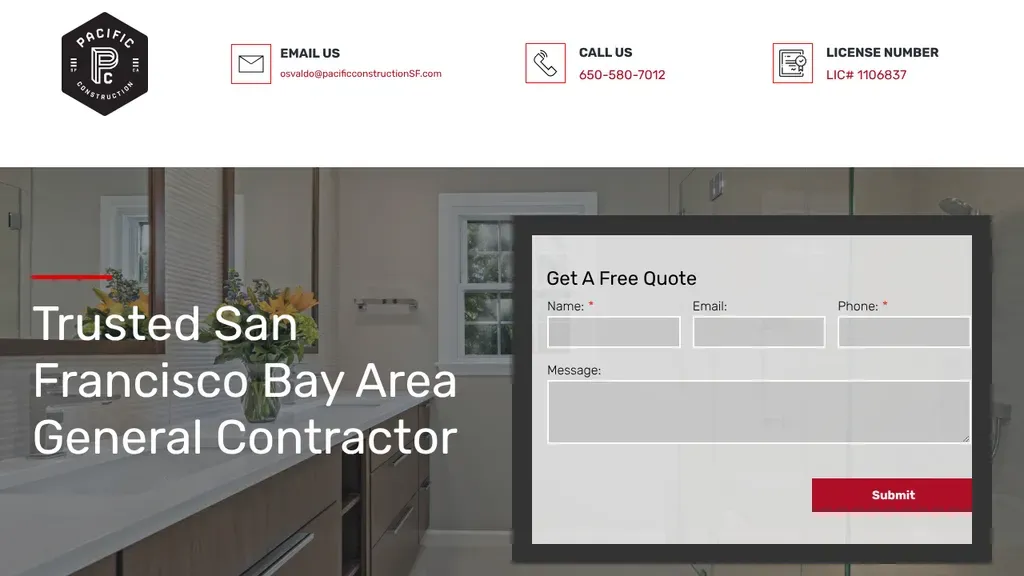
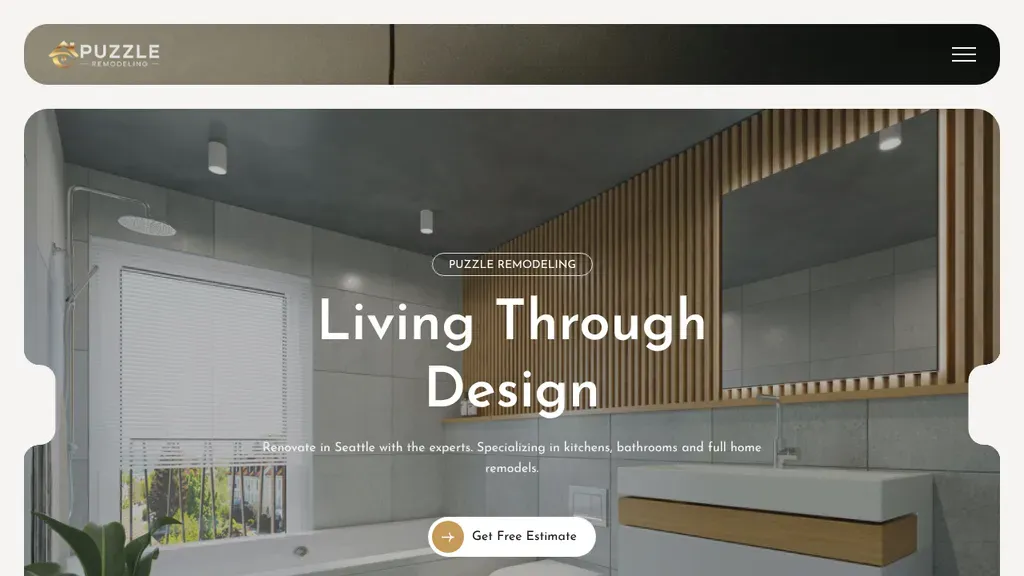
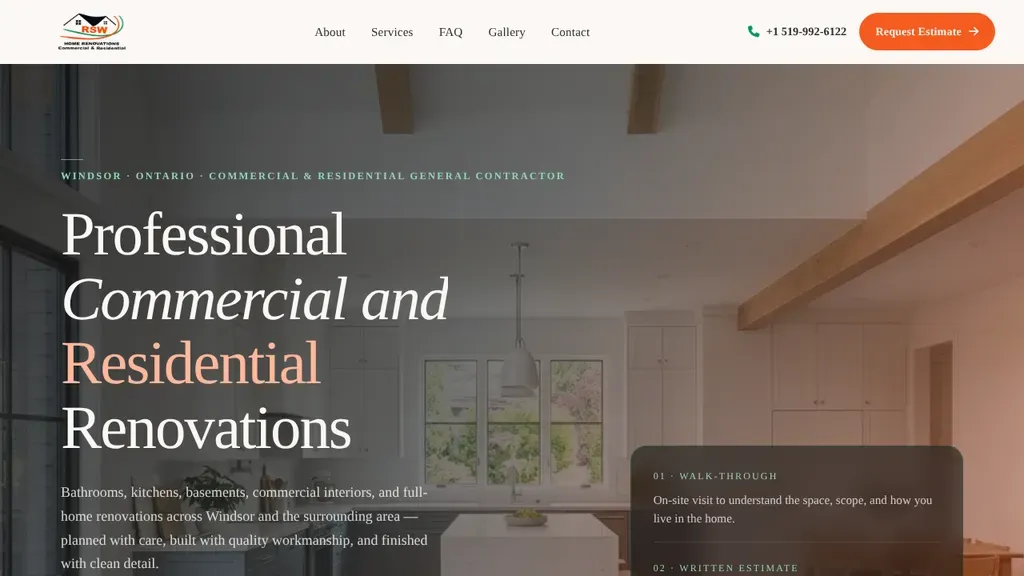
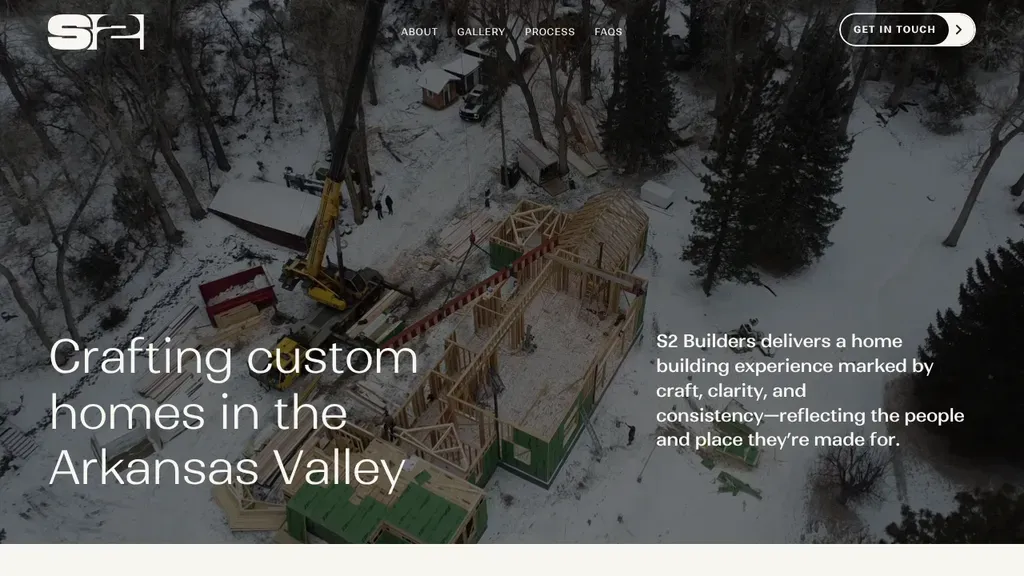
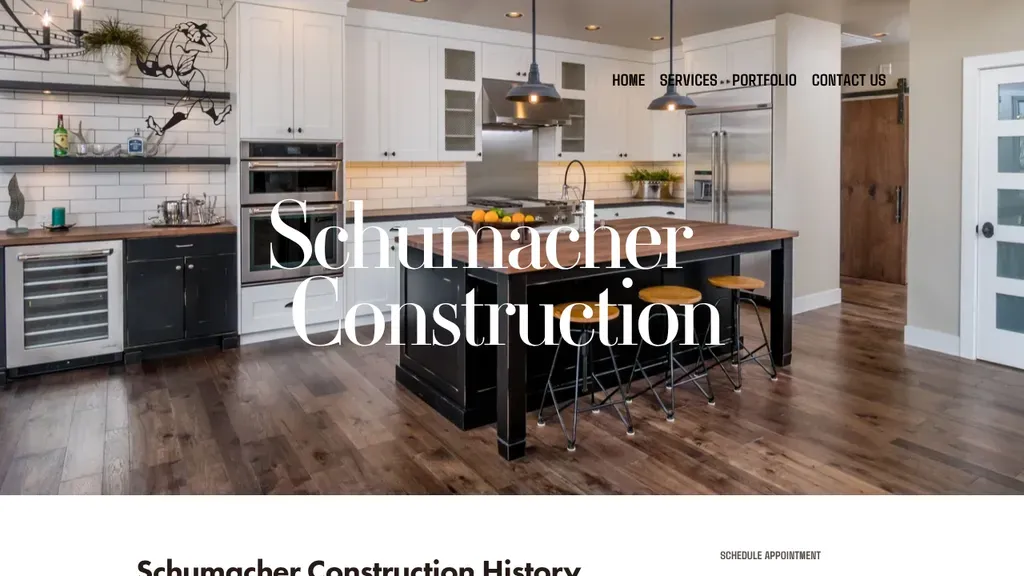
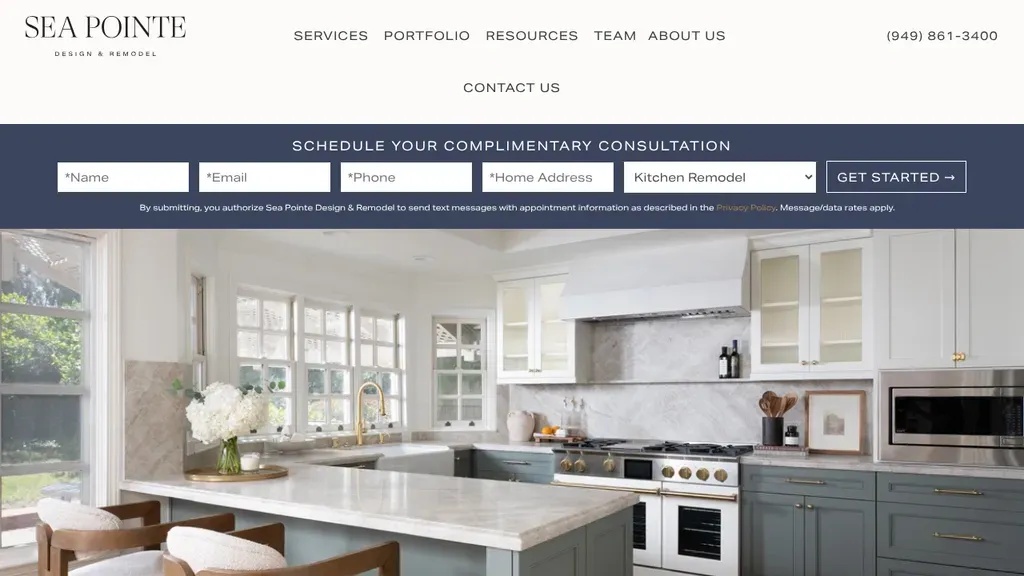
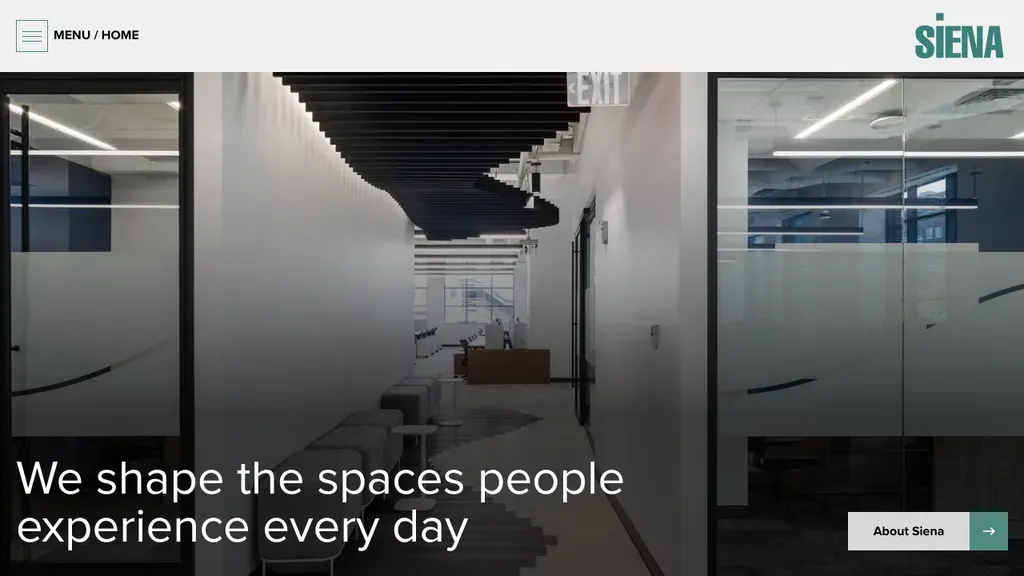
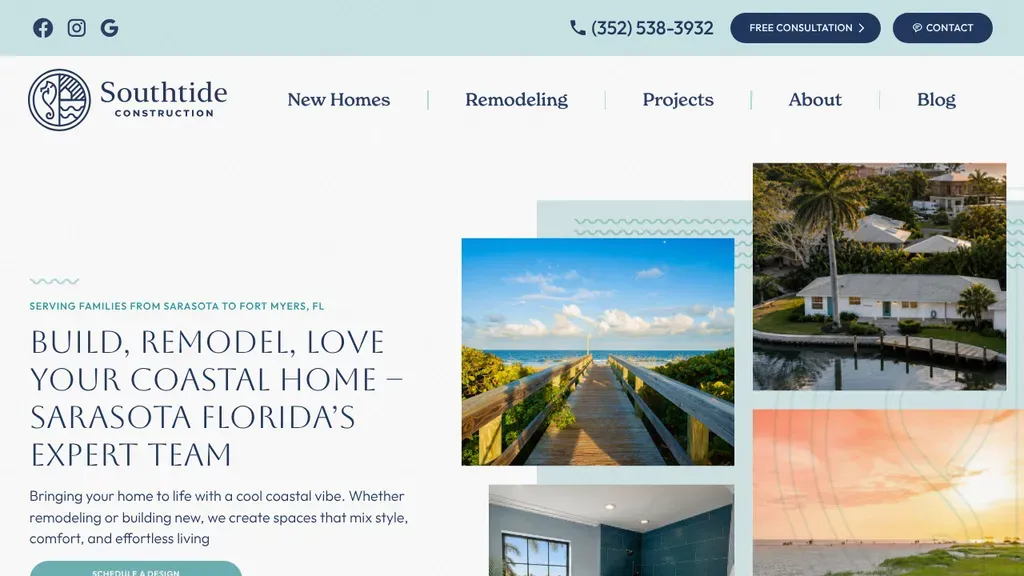
These are our favorite websites built for general contractors and construction companies.
Compiled by Patrick Antinozzi
13+ years building legendary SMB websites
Construction is a show-me business, and a general contractor's website has one job: prove you've built things like the thing the visitor wants built. Owners, developers, and homeowners all scan for the same signals: relevant projects, safety record, years in business, and whether you look organized enough to hit a schedule. Sites that lead with mission statements instead of finished projects lose the bid before the first phone call.
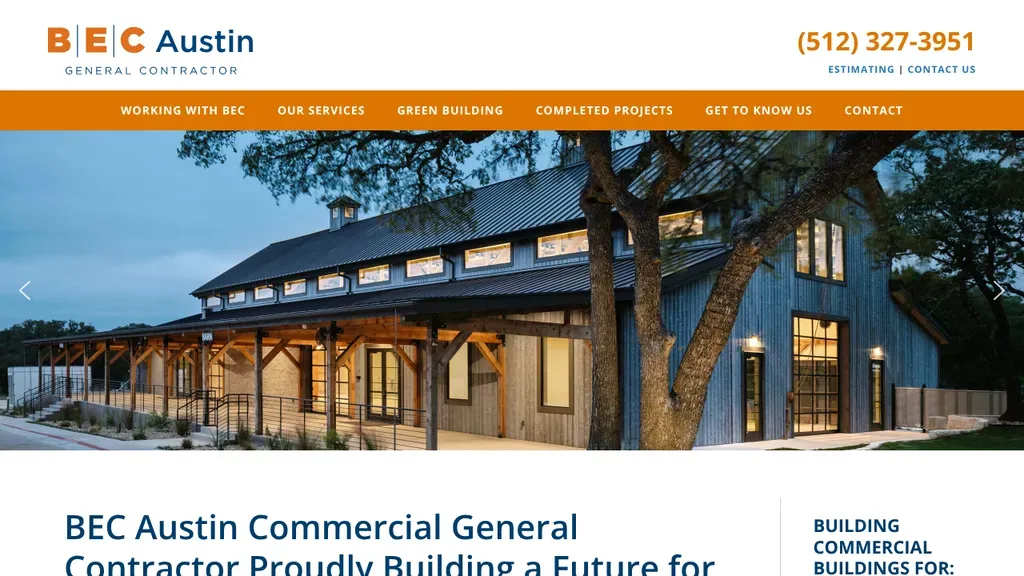
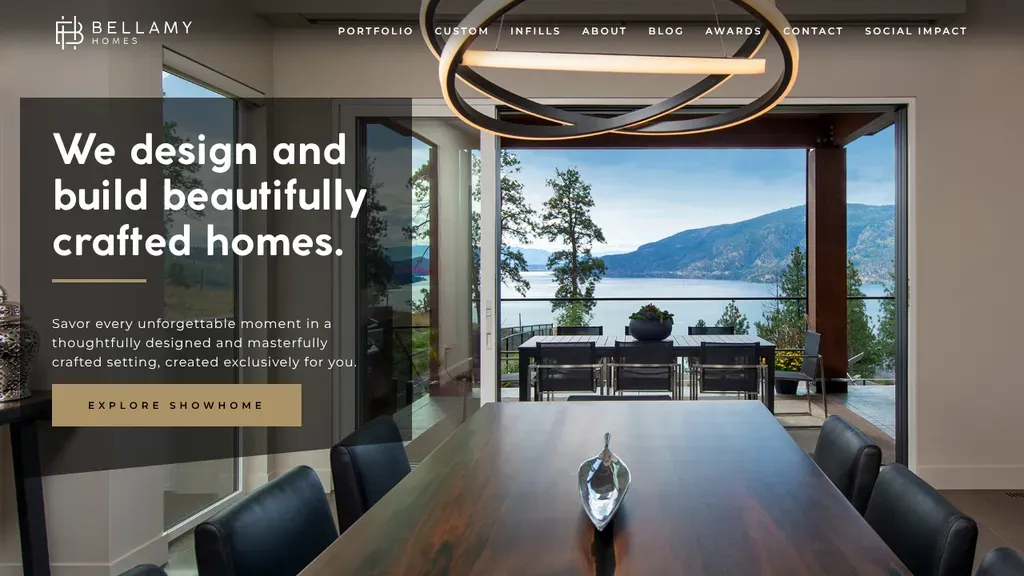
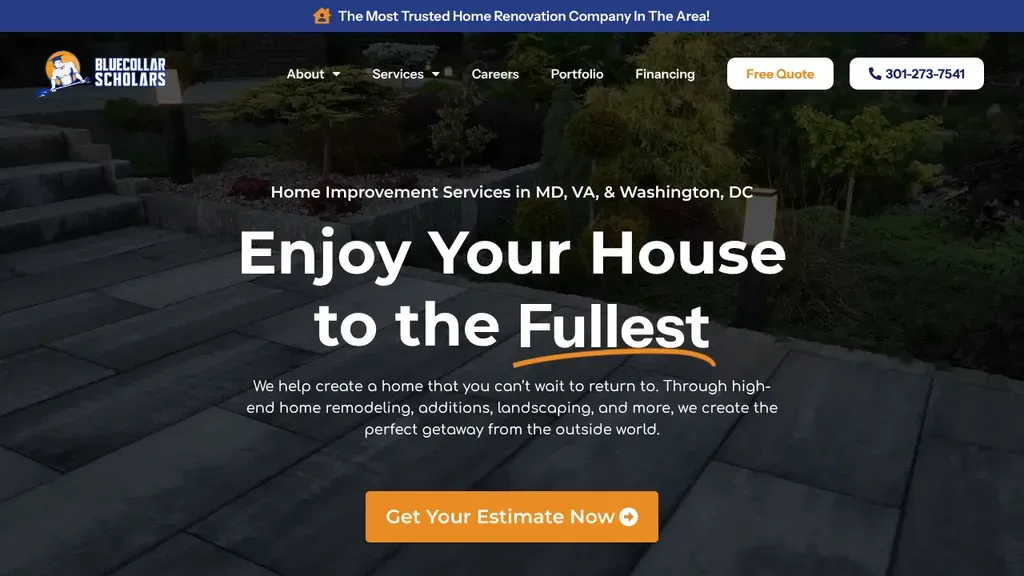
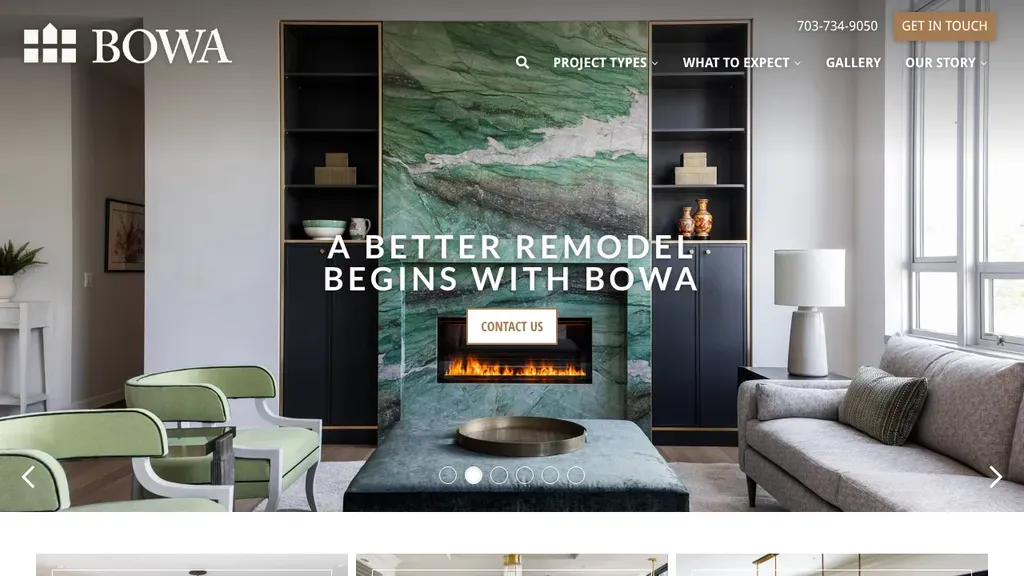
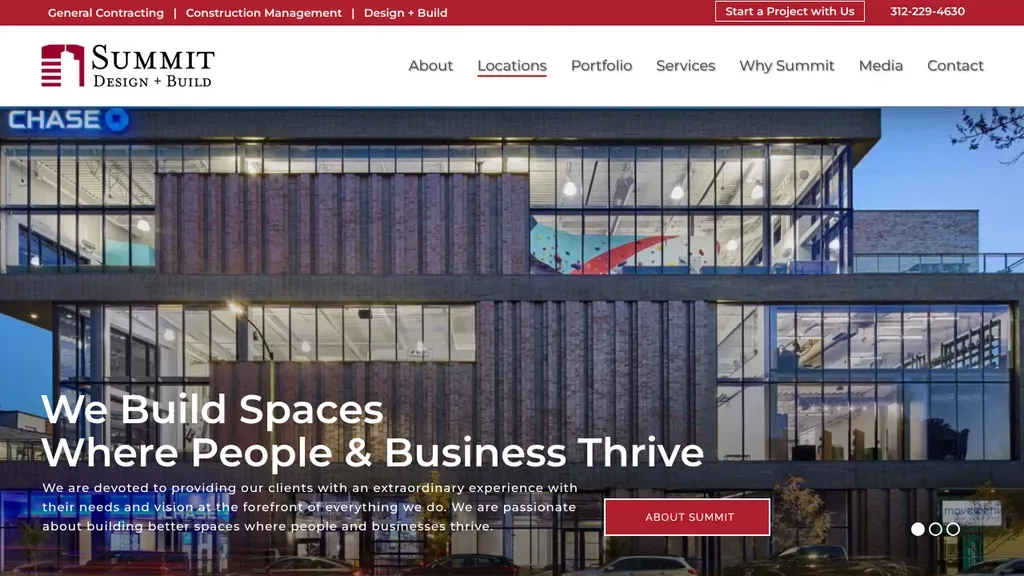
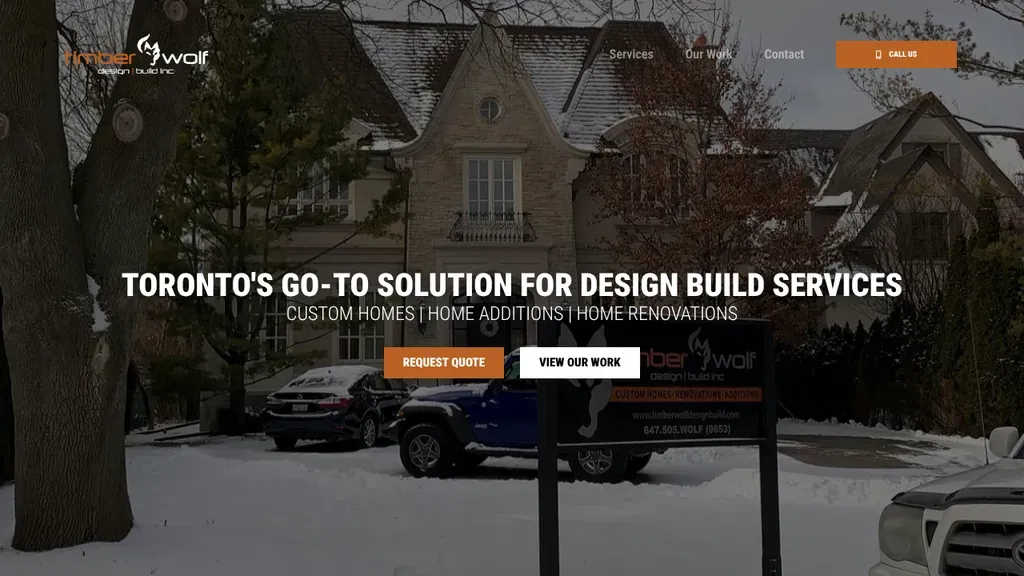
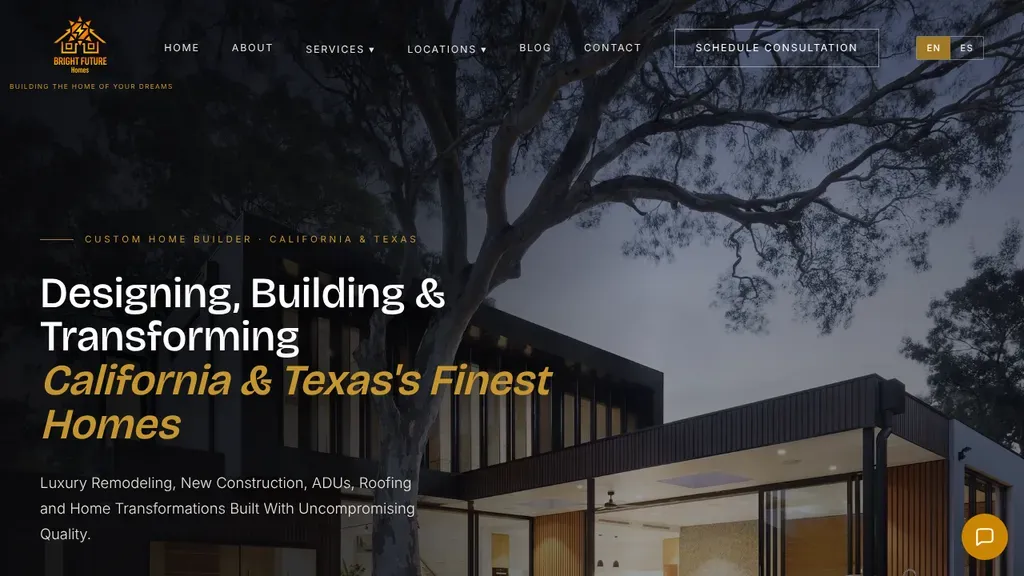
This collection pulls together 49 contractor sites that get it right, from remodelers like Hammer & Hand and Gaspar's Design Build Remodel to commercial builders like G. Creek Construction and BEC Austin, plus luxury specialists like Grandeur Hills Group. Different scales, same playbook: project photography does the talking, markets and capabilities are easy to scan, and the path to starting a conversation is never more than a click away. Borrow the structure at whatever scale you build.
No websites match, try a different search or industry.
What makes a great website for general contractors?
Lead with finished work, full screen
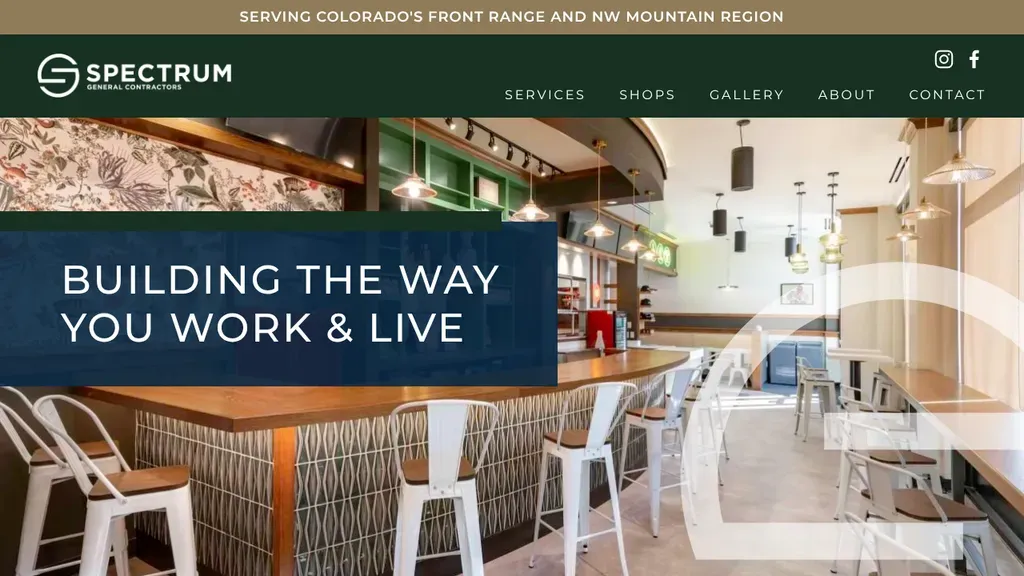
Hammer & Hand and Spectrum General Contractors open with photos of real projects, not words about excellence. Your best completed project, photographed properly, is the most persuasive homepage hero you will ever publish.
Organize the portfolio by market
A developer scanning for healthcare experience shouldn't wade through kitchen remodels. Filterable project galleries by sector (commercial, healthcare, education, residential) let every prospect find proof you've built their project type.
Put safety and self-perform stats up front
Experience modification rate (EMR), safety awards, bonding capacity, and self-performed trades are decision criteria for commercial owners. A stats band on the homepage answers pre-qualification questions before they're asked.
Name your service area and project minimums
Contractors waste enormous time on leads outside their geography or below their scale. Stating where you build and your typical project range filters the inquiry stream down to bids you'd actually chase.